What to know
- UK Finance reported live retail pilot transactions on 24 September.
- The examples include remortgage completions and a marketplace payment.
- Conditional release of money depends on trustworthy completion signals and dispute rules.
UK Finance reported on 24 September 2026 that banks in the Great British Tokenised Deposit initiative had completed live customer transactions. The reported examples include two remortgage completions and a consumer marketplace payment using conditional release of tokenized sterling deposits. The platform was developed by Quant. These are reported pilot outcomes, not evidence that the service is generally available to every UK customer.
Who decides that the payment condition is satisfied?
The distinctive reader question is how an automated payment knows when it should release funds. A condition such as completion of a property transaction sounds clear in ordinary language, but software needs an authoritative signal. The quality of that signal, and the rules governing disagreement about it, are central to the value of a conditional payment.
For an illustrative marketplace purchase, a system might wait for confirmation that goods have changed hands. That creates immediate design questions: who supplies the confirmation, what evidence is accepted and what happens when buyer and seller disagree? Tokenization can help execute an agreed rule, but it cannot eliminate the need to decide what the rule means in the real world.
Money can be reserved without being fully spent
A conditional design can distinguish money that remains in an account from money already transferred away. That distinction is useful when a transaction needs assurance that funds exist before completion. It also requires the interface to explain restrictions clearly. A customer should understand whether a reserved balance is still available for other payments and how a reservation can end.
The remortgage examples illustrate why payment innovation belongs inside a larger professional process. Lender decisions, legal checks and property records continue to matter. A new mechanism for reserving and releasing money should therefore be assessed alongside those responsibilities rather than portrayed as replacing them or removing every cause of delay.
From pilot result to dependable service
A small number of live transactions can establish that a defined process worked under particular conditions. It does not establish performance across unusual cases, high demand or conflicting instructions. Follow-up evidence should describe failed conditions, expired reservations, recovery after interruptions and how customers obtain support. Those are practical tests of whether the mechanism is ready for broader use.
The news is a concrete demonstration of programmable bank money across a shared industry arrangement. Its broader promise depends on trustworthy external signals and understandable customer rights. Readers should distinguish the successful reported examples from universal availability and judge future expansion by the handling of exceptions, not only by the automatic release that works when every participant agrees.
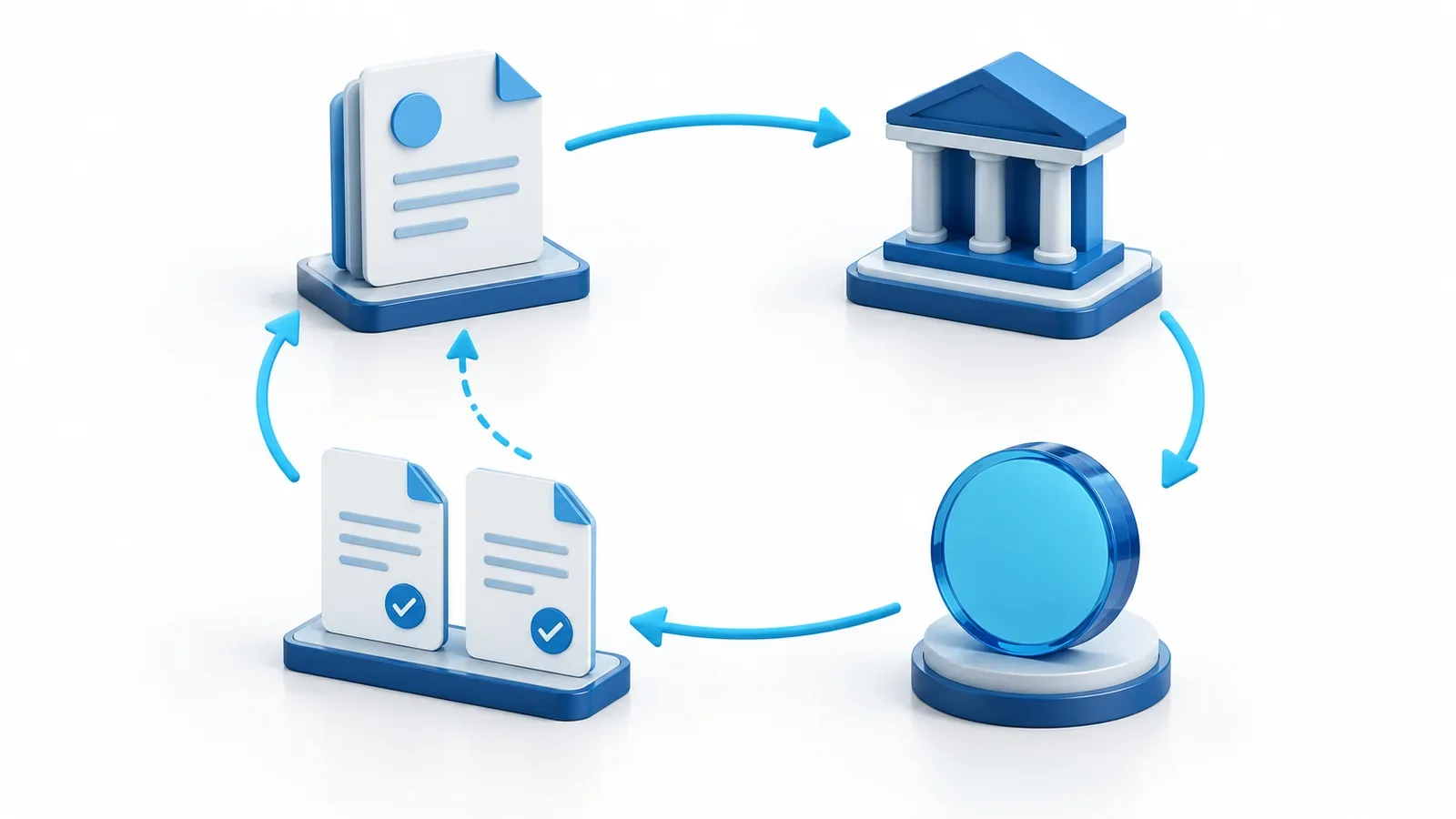
Editorial note: AI-assisted original BijliCoin synthesis and analysis from linked primary evidence. Announcements are attributed; no independent product or customer testing is claimed. Illustration is AI-generated conceptual artwork.
Sources & context
See our editorial policy or report a correction.