What to know
- The Riksbank published its notice on 15 October; the attached letter itself is dated 7 October 2026.
- The letter estimates at least five years of implementation plus legislative time, without setting a launch date.
- Legal readiness, political authorization and technical implementation are distinct milestones for readers to track.
Sweden’s digital-krona discussion has produced a new public document, not a new currency. On 15 October 2026, the Riksbank published notice of a communication to parliament’s Committee on Finance. The underlying letter is dated 7 October. This story concerns that fresh disclosure; it does not date the letter itself to this week.
The letter explains why changes in payments justify preparing the legal option for a digital krona. It says the Riksbank has not decided whether one should be issued. Its estimate allows at least five years for implementation by the bank and market, in addition to the time needed for legislation. That is a conditional estimate, not a countdown to a scheduled launch.
Why prepare before deciding?
The distinction matters because a choice can become expensive to exercise if its legal and operational groundwork starts only after the choice is made. BijliCoin’s interpretation is that legislative readiness preserves room for a later political decision. It neither commits Sweden to issue digital money nor makes the policy arguments for issuance conclusive.
The Riksbank’s existing project background helps separate the workstreams. The technical pilot ended in 2023; introducing an e-krona ultimately requires a political decision. A completed experiment and legal preparation therefore answer different questions. Neither should be presented to consumers as a newly available payment service.
What would count as the next milestone?
Readers can track three kinds of evidence separately: a formal decision about legislative work, a decision authorizing issuance and a defined implementation programme. Each would reduce a different uncertainty. A document about readiness does not establish all three, and a projected engineering duration does not settle the length of parliamentary consideration.
Payment providers reviewing the disclosure can use the distinction to avoid premature commitments. Before promising customer features or assigning a delivery year, they should identify which requirements are adopted, which remain proposals and which depend on another institution’s decision. That is a general planning discipline rather than a claim that a particular commercial integration is now required.
The useful development is greater visibility into the central bank’s reasoning and lead-time concerns. Readers still need subsequent political and implementation decisions before treating a digital krona as an impending product. The newly published letter is evidence of preparation for an option, with the decision on that option still open.
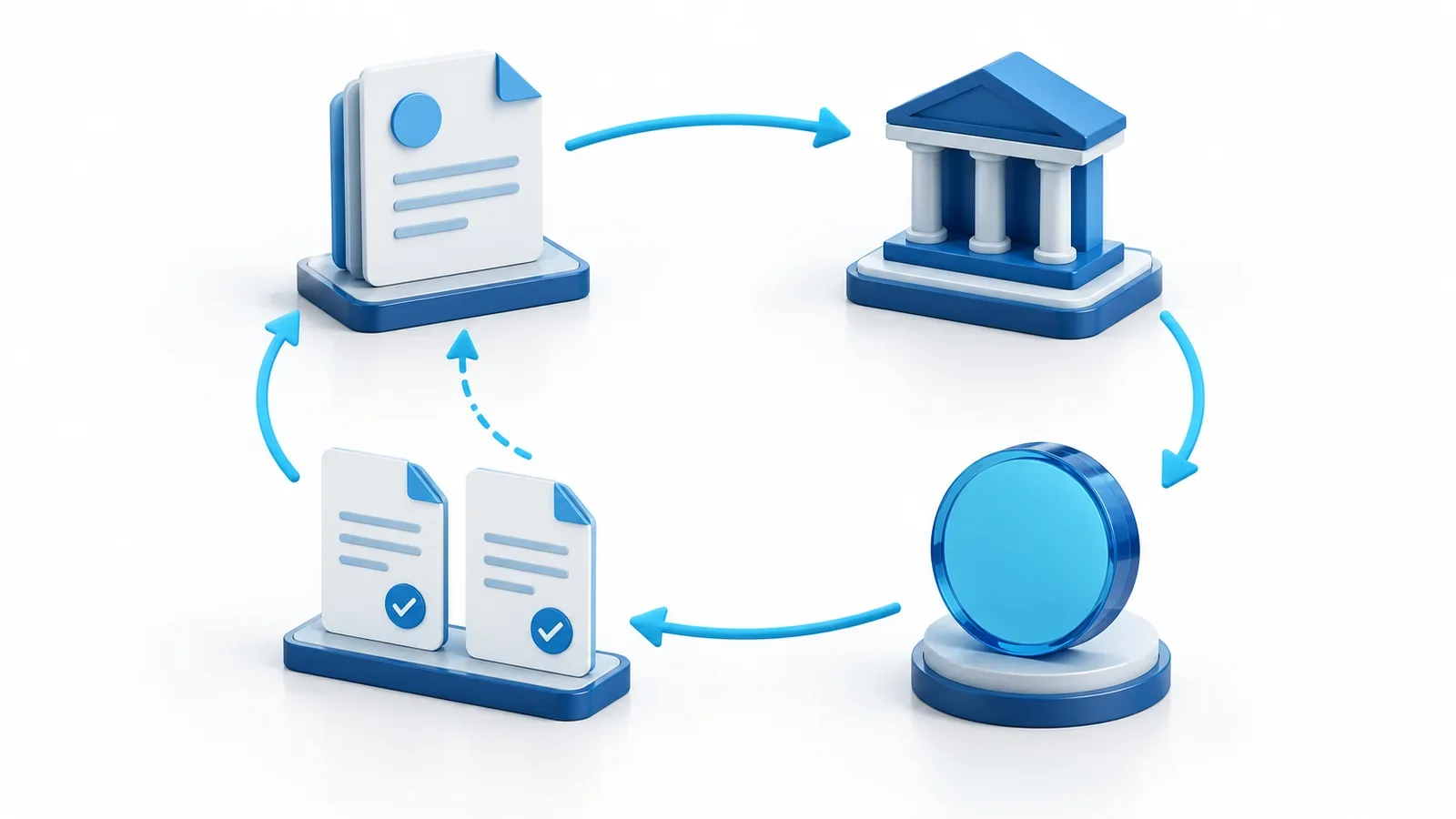
Editorial note: AI-assisted original BijliCoin synthesis and analysis of linked Riksbank primary documents, including its Swedish-language letter. Policy interpretation is identified as analysis. No first-hand testing, human expert review or approved currency launch is claimed. The cover is an AI-generated conceptual editorial illustration, not documentary imagery.
Sources & context
- Riksbank: official communication on developments bringing a digital krona into focus ↗
- Riksbank: letter to the Committee on Finance about a possible digital krona (Swedish) ↗
- Riksbank: the e-krona project and political decision process ↗
See our editorial policy or report a correction.