What to know
- OCBC announced the treasury solution on 7 October.
- The initial focus is SGD and USD tokenized deposits for Ant International’s group liquidity.
- The release describes a specific corporate arrangement, not unrestricted public wallet access.
OCBC announced on 7 October 2026 a tokenized-deposit solution with Ant International for treasury management between Singapore and Malaysia. The bank says the initial arrangement supports SGD- and USD-denominated tokenized deposits on a 24-hour basis through Ant International’s WhaleRTP platform. The described use is intra-group liquidity management, not an unrestricted consumer product available to anyone with a wallet.
Why treasury is a concrete use case
A corporate group may have money in one entity while another needs to pay obligations elsewhere. The useful question is whether the new arrangement makes that money available when it is needed, in the correct currency and with a clear accounting trail. A shared digital record may support that goal, but the outcome depends on the banking and corporate processes around it.
Consider an illustrative group facing a payment obligation after conventional processing hours. Moving a tokenized balance may help only if the receiving entity can use the value for that obligation. The operator must establish whether the final recipient accepts the resulting money, whether foreign exchange is needed and which local constraints still apply. A 24-hour ledger does not make every linked service continuously available.
Distinguish the bank claim from the interface
A tokenized deposit is connected to a banking relationship, even when the instructions arrive through another company’s platform. That makes contracting entities, account ownership and authorized users central to understanding the arrangement. A reader should not infer that tokenization changes the currency denomination or supplies identical protections in every jurisdiction where a group operates.
For treasury teams, an informative evaluation would inspect approval limits and reconciliation as carefully as transfer speed. Can staff trace an instruction back to its business purpose? Does an automated transfer respect internal funding limits? How are cutoffs and unavailable services represented? These questions test the operating model rather than merely the ability to record a transaction digitally.
The launch still needs measurable follow-through
OCBC’s release is direct evidence of the announced solution and its intended scope. It does not independently establish realized savings, general availability or the outcome of every treasury movement. The bank’s claims should be evaluated against later data on completed transactions, usable liquidity, exception handling and total operating cost.
The development is valuable to follow because it names a specific business problem and a defined initial relationship. Its broader significance will depend on whether such arrangements can extend across more counterparties while preserving clear controls. For now, it is a corporate treasury case study in progress, with the complete payment journey providing a better test than the tokenized label alone.
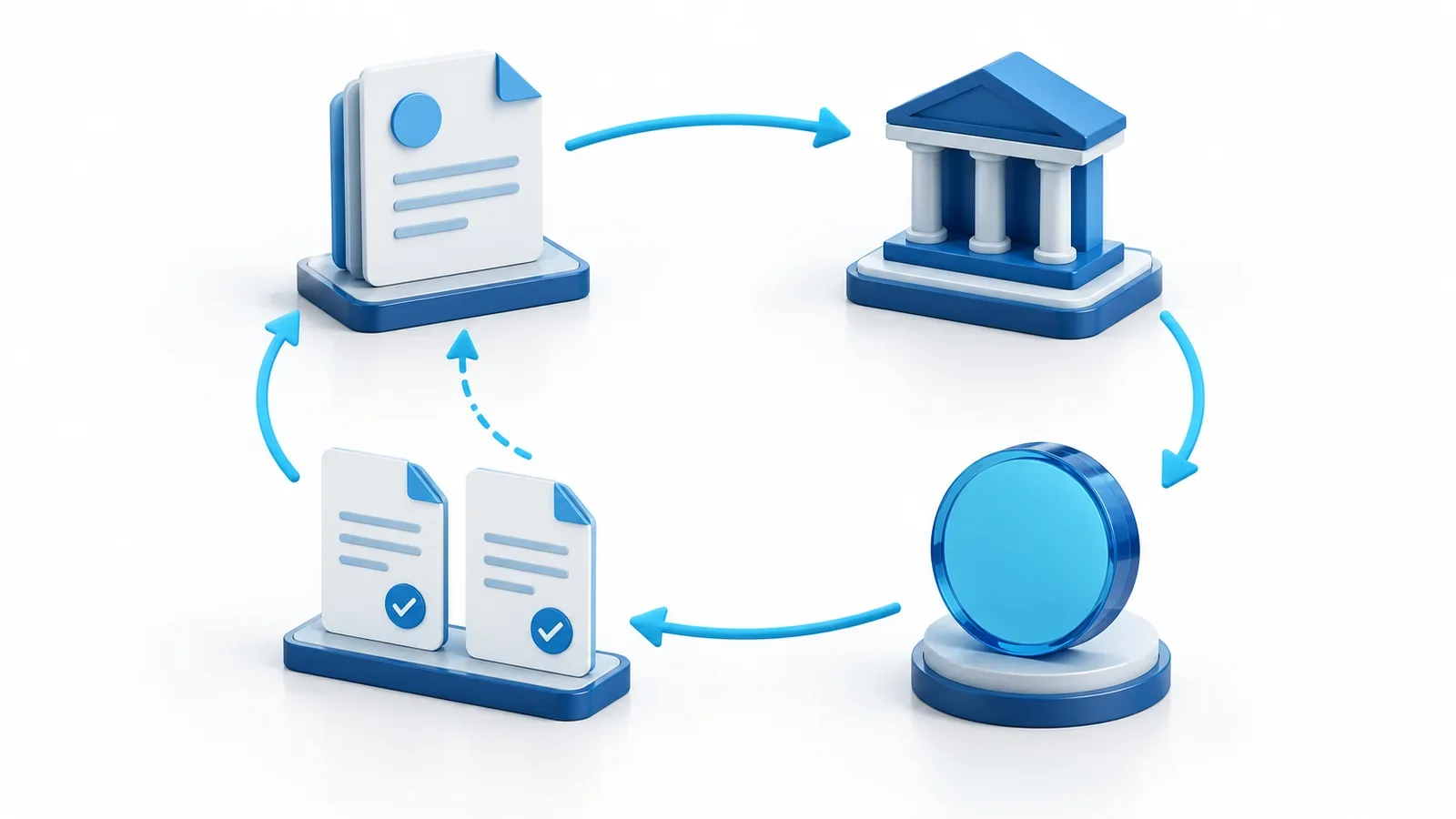
Editorial note: AI-assisted original BijliCoin synthesis and analysis from linked primary evidence. Announced capabilities and plans are attributed, not independently tested. Illustration is AI-generated conceptual artwork.
Sources & context
See our editorial policy or report a correction.