What to know
- MAS’s 9 October speech outlines settlement of tokenized MAS Bills using wholesale CBDC as a next step.
- It distinguishes central-bank money, deposit tokens and regulated stablecoins.
- The earlier SGD Testnet work dates to 2025 and is not a new 2026 launch.
Monetary Authority of Singapore Managing Director Chia Der Jiun said on 9 October 2026 that MAS was taking a next step toward settling tokenized MAS Bills using wholesale Singapore-dollar central bank digital currency. His address also distinguished tokenized deposits, stablecoins and central-bank money. The speech explicitly places the earlier SGD Testnet activity in 2025; that earlier trial should not be reported as a fresh launch this month.
Why bring the asset and money into one design?
The useful reader question is how a digital asset transaction finishes. A token representing a bill can change hands, but the seller must receive an agreed form of payment with clear finality. Designing the asset and payment components together can make the responsibilities easier to specify, provided the rules remain enforceable when a transaction cannot proceed normally.
An illustrative test would follow an asset from issuance through transfer and final redemption. It would identify which participants hold the cash leg, how balances are reserved and how a failure releases any locked funds. These lifecycle questions are more informative than a headline announcing that a security has been put on a ledger.
Different forms of money have different jobs
The speech’s distinction among forms of digital money is important for interpreting policy. A bank deposit token represents a different relationship from a claim on a central bank or a privately issued stablecoin. Similar digital interfaces do not make those claims interchangeable. Each arrangement needs its own explanation of access, liquidity and the party responsible for honoring it.
That is particularly relevant for wholesale markets, where large transactions and coordinated asset movements can amplify operational weaknesses. A system might have technically compatible components while participants still disagree about finality or responsibility. The proposed work should therefore be assessed through both operational evidence and the legal arrangements that give the transfer meaning.
What this address does and does not establish
The announcement identifies a direction and a next use case. It does not provide a completed performance report, universal production access or a timetable for retail consumers. Nor does it establish that every tokenized asset in Singapore will use the same settlement model. Readers should keep those boundaries intact when comparing it with commercial payment products.
The key development is a more explicit connection between tokenized securities and public settlement money in MAS’s work programme. Progress should be judged by whether the resulting arrangements make ownership, payment and recovery understandable across participants. Until concrete results are released, claims of savings or scale remain hypotheses to test rather than benefits that can already be booked.
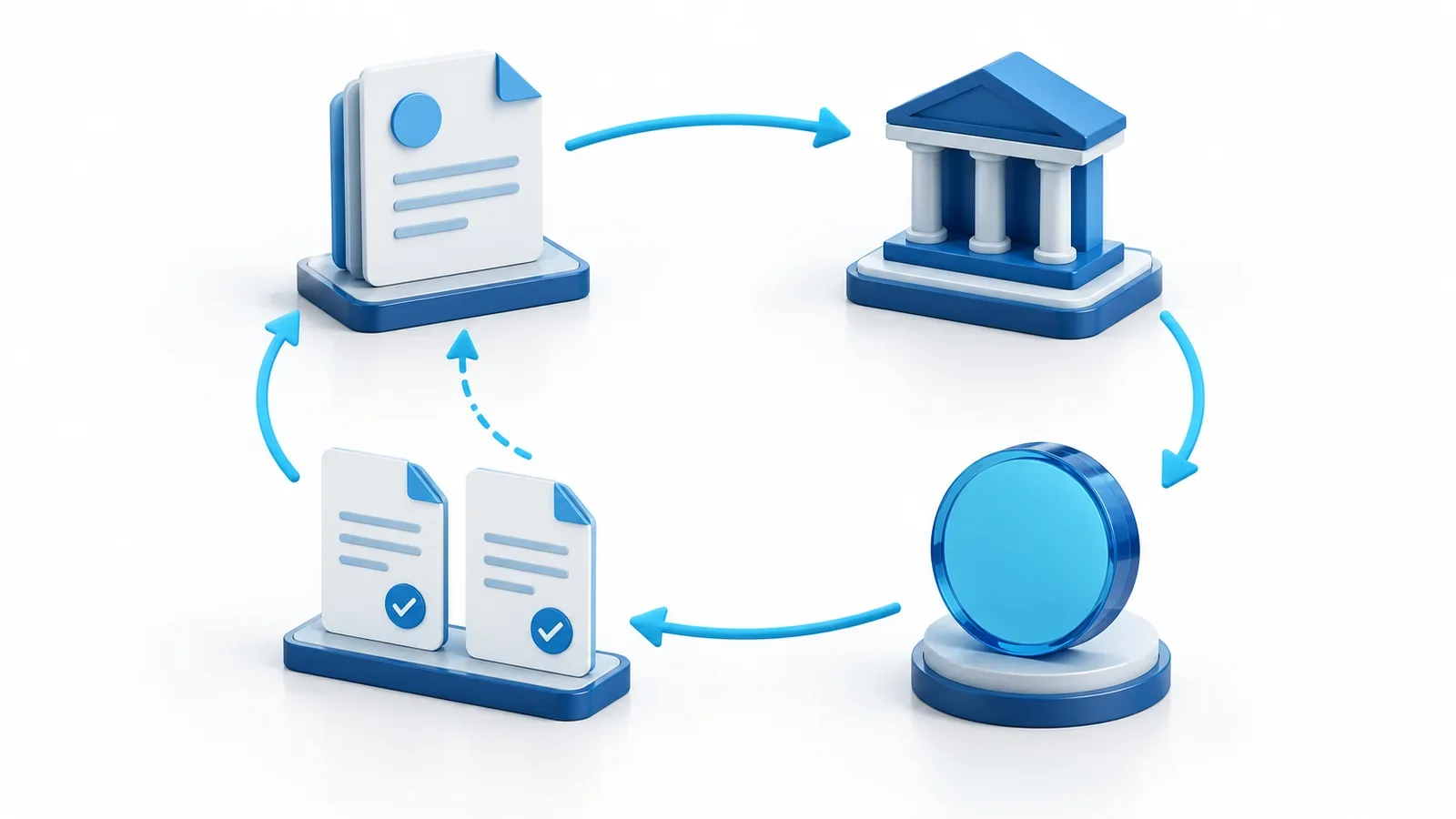
Editorial note: AI-assisted original BijliCoin synthesis and analysis from linked primary evidence. Announced capabilities and plans are attributed, not independently tested. Illustration is AI-generated conceptual artwork.
Sources & context
See our editorial policy or report a correction.