What to know
- The 25 September announcement describes two digital-payment initiatives.
- UNDP’s planned Digital Asset Innovation Pool includes regulated payment stablecoins.
- Aid delivery requires beneficiary safeguards and last-mile access, not only faster transfers.
Circle Foundation, UNDP and the World Food Programme announced two digital-payment initiatives on 25 September 2026. Circle’s release says grant support will help UNDP establish a Digital Asset Innovation Pool using regulated payment stablecoins in development programmes. It presents the work as an effort to improve delivery and infrastructure, building on prior pilots rather than claiming a completed universal aid system.
The recipient’s journey defines success
Humanitarian payments have a different success condition from a demonstration between two well-connected wallets. A recipient may need cash, an accepted merchant balance or a way to pay locally without reliable internet access. Measuring the speed of an intermediate transfer is therefore insufficient. The programme must establish what the recipient can actually do with the value received.
An illustrative delivery assessment would follow the entire path from programme funding to a household’s usable purchasing power. It would record identification requirements, device access, cash-out fees and the distance to a trusted agent. These are editorial evaluation questions, not claims that the announced initiatives have already solved them or encountered particular failures.
Safeguards belong in the design
Digital records can improve traceability for an organization, but additional traceability is not automatically a benefit for a vulnerable person. A responsible design should specify who can see transaction information, how consent works and what happens if a device is lost or a beneficiary disputes a payment. Operational clarity matters as much as the choice of ledger.
Programme teams also need an alternative when the digital channel is unavailable. That includes a process for failed identity checks, inaccessible accounts and local disruptions. A channel that performs well under normal connectivity should not become the sole route to essential support before recovery procedures have been demonstrated with the people expected to use it.
Evidence worth publishing next
The announcement describes support and intended programmes; it is not an independently audited report of improved outcomes. Useful follow-up would compare total delivery costs, time to recipient access, failure rates and beneficiary experience against a clearly defined baseline. Counting wallets or transferred tokens alone would not establish whether more aid reached people effectively.
For stablecoin observers, the important development is the move toward programme infrastructure and safeguards rather than a token-only pilot. For humanitarian readers, the more important question remains whether the mechanism expands practical choice without creating new exclusion. Those two perspectives can be compatible, but only evidence from actual programme delivery can show where the benefits and compromises lie.
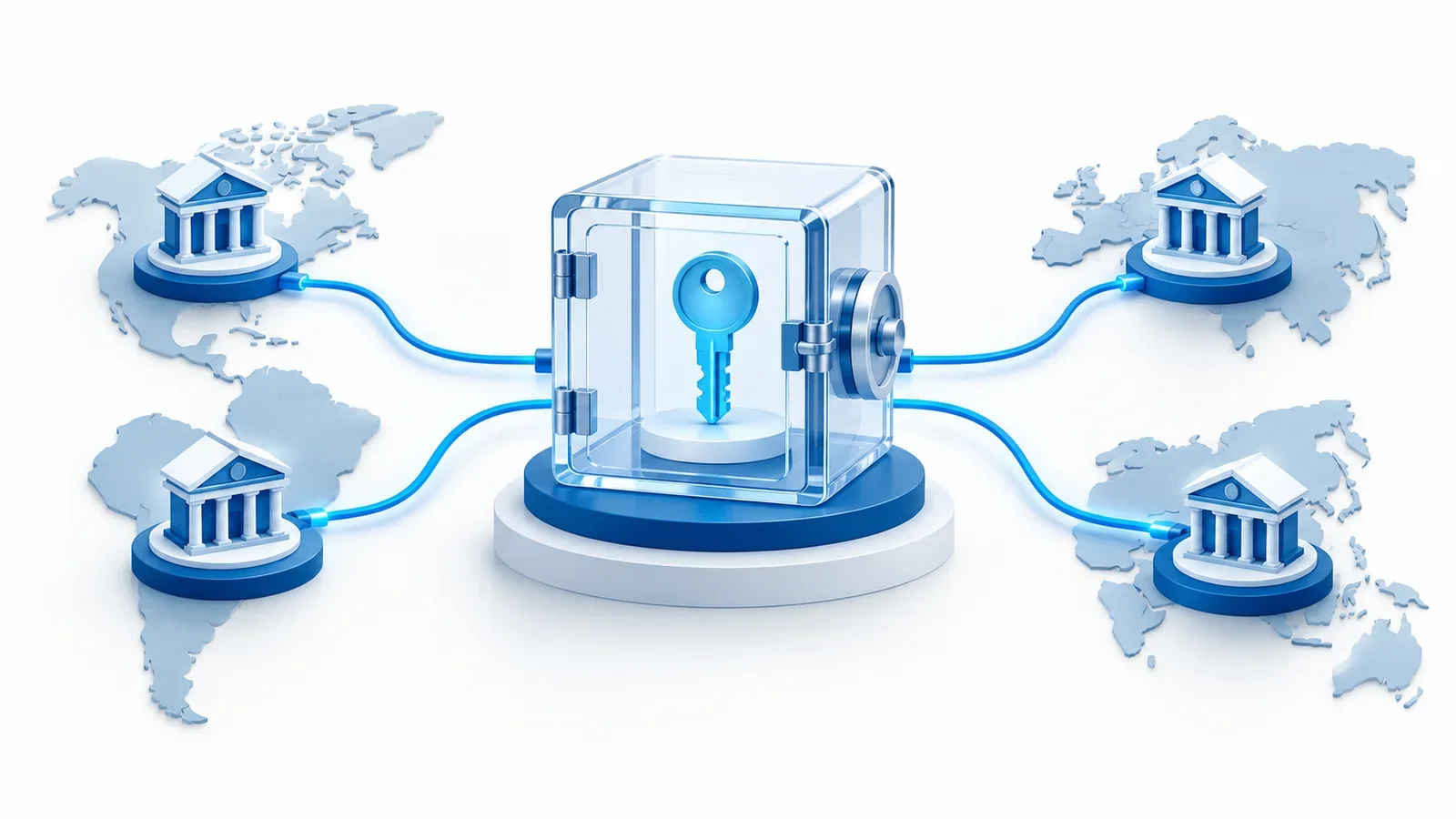
Editorial note: AI-assisted original BijliCoin synthesis and analysis using linked primary evidence. Company statements are attributed and independently untested; no product or financial recommendation is implied. Illustration is AI-generated conceptual artwork, not a documentary image.
Sources & context
See our editorial policy or report a correction.