What to know
- The 28 September announcement identifies planned ENTA and Pulse products.
- Tether’s Wallet Development Kit supplies the underlying wallet infrastructure.
- Self-custody changes responsibility for keys without eliminating issuer or conversion risk.
Tether announced a collaboration with Shiga on 28 September 2026 to develop self-custodial financial products for Africa and the Gulf Cooperation Council region. The release identifies ENTA for individuals and businesses and Pulse for institutional services, using Tether’s Wallet Development Kit. It describes intended support for USD₮, Bitcoin and XAU₮ rather than reporting an independently tested rollout across every market.
What does control of keys actually change?
The useful question is which responsibilities move to the user when a product is self-custodial. Direct key control can change who authorizes a transfer and whether a platform can move assets on the user’s behalf. It also makes backup, recovery and approval design central to the experience. A user-friendly interface does not remove those responsibilities.
Key control should be distinguished from control over every other component. A stablecoin still has an issuer and token rules. A conversion into a local bank balance still depends on service providers. A device still needs a trustworthy application and secure operation. Describing a wallet as self-custodial does not establish that all associated risks have become decentralized or disappeared.
Corridor design is a business problem
An illustrative payment corridor should be evaluated from the sender’s funding source to the recipient’s usable funds. The operator needs to know which currencies and networks are supported, how customer screening works and how an exception is handled. A wallet balance is not the same outcome as a successful local payout, particularly if the recipient has limited conversion options.
For an institution considering infrastructure under its own control, the questions become more operational. Who rotates keys? Which staff can authorize a transaction? How are backups tested without exposing secrets? The announcement describes deployment choices, but those choices do not supply a complete operating model. Each institution would need to establish its own controls and evidence.
What remains to be demonstrated
The release sets out a product direction and the technologies intended to support it. It does not provide independently measured costs, recipient outcomes or service availability for every target country. Claims about broad regional needs should not be interpreted as proof that a particular product is appropriate for every user in that region.
A meaningful next report would describe what has actually launched, eligible customers, supported corridors and recovery procedures in terms a non-specialist can understand. The development is worth tracking because it connects wallet architecture with real payment distribution. Whether it improves the experience will depend on how key ownership, conversion and customer support work together after the announced products reach users.
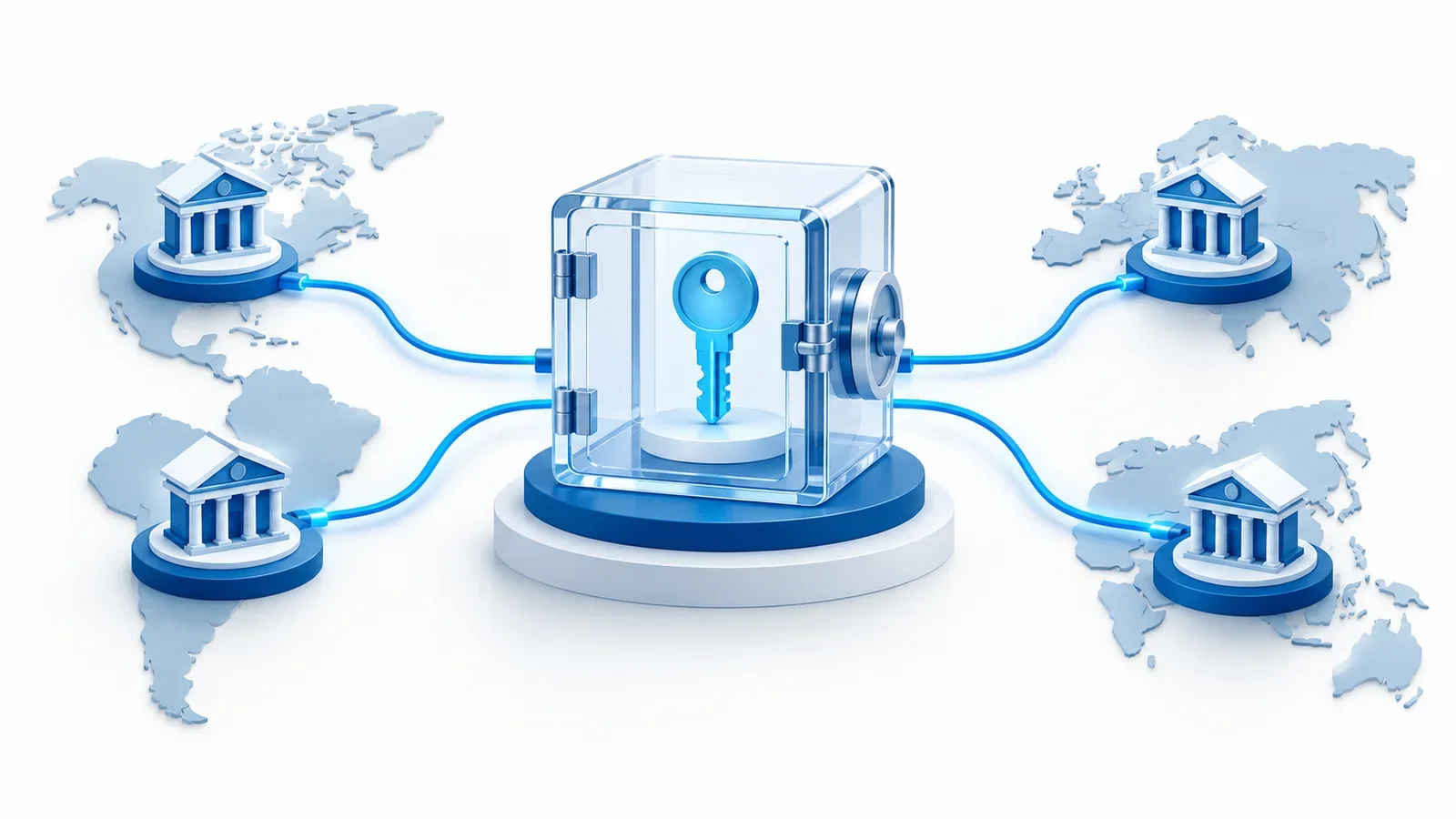
Editorial note: AI-assisted original BijliCoin synthesis and analysis from linked primary evidence. Vendor claims are attributed and independently untested. Illustration is AI-generated conceptual artwork.
Sources & context
See our editorial policy or report a correction.