What to know
- Meta's dated 15 October release offers downloadable Muse Spark Open weights for agent and coding work.
- The published license contains commercial-service conditions; open weights do not remove license review.
- Hardware suitability, permitted use and agent tool permissions require separate acceptance checks.
Meta released Muse Spark Open on 15 October, offering downloadable weights for a model it positions for coding and agent tasks. For teams considering local AI, the useful change is another deployment option. It is not evidence that an existing laptop can run a production agent, or that downloading the model removes contractual obligations.
The announcement describes a multimodal model with 816 billion total parameters, 42 billion active parameters and a one-million-token context window. Those are vendor specifications, not BijliCoin measurements. Meta also describes an Apple configuration using two M5 Ultra Mac Studios. Its demonstrations should not be read as a compatibility promise for other computers or proof of equivalent performance in a different workflow.
Inspect the permission to deploy
The linked model repository identifies a Muse Model License rather than an unrestricted open-source license. Its conditions include attribution and a usage policy. A separate agreement is required for qualifying model-as-a-service businesses when aggregate revenue across the licensee and its affiliates exceeds $20 million during a consecutive twelve-month period. The text distinguishes that category from internal use and other commercial activity. This is a reason to read the actual terms for a proposed service; it is not legal advice about whether a particular company qualifies.
Separate three acceptance decisions
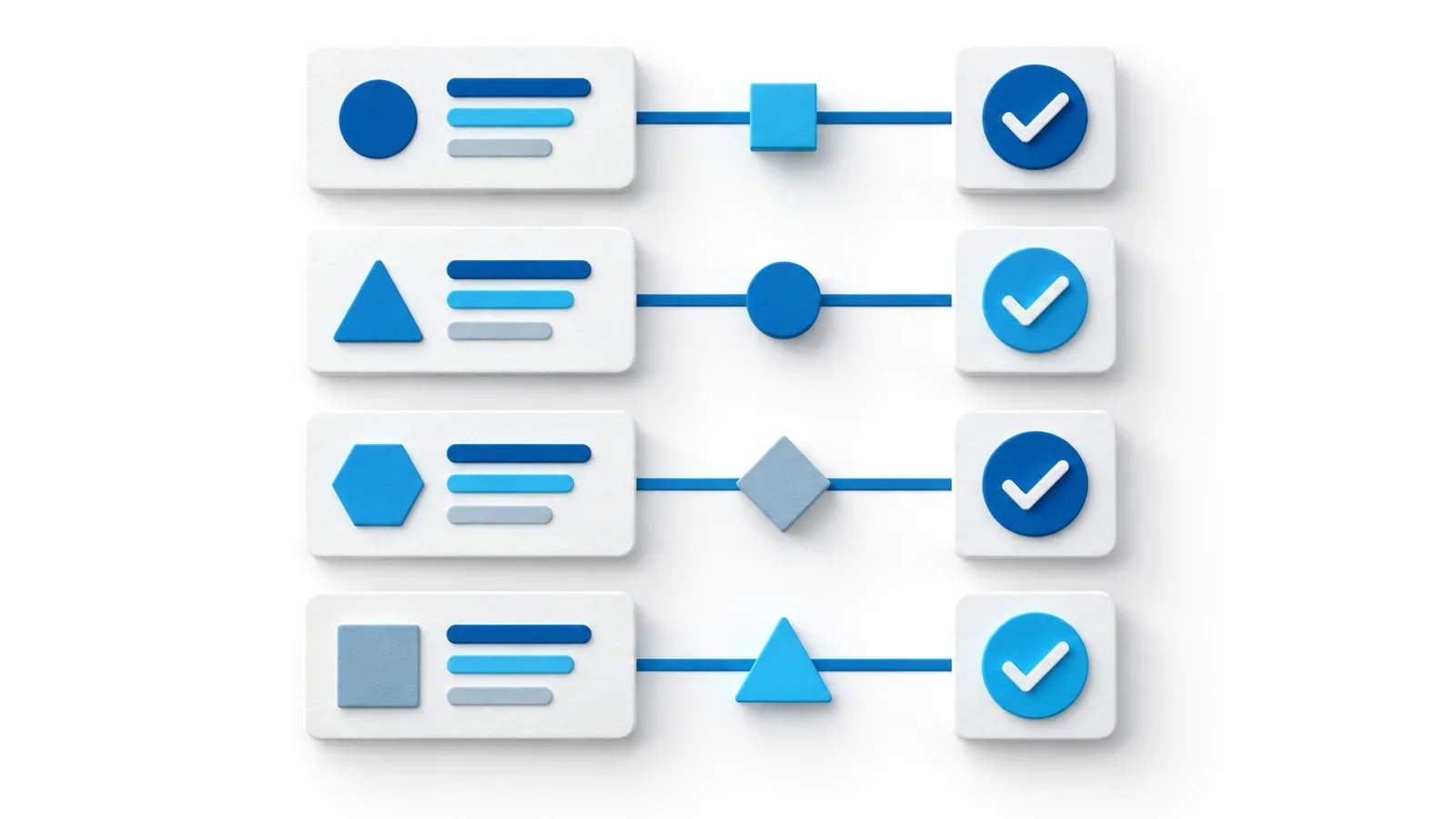
BijliCoin's analysis is that a local-agent evaluation benefits from three independent decisions. First, can the chosen machine load the intended model representation and sustain the actual workload? Second, do the terms permit the intended distribution and business arrangement? Third, what is the agent allowed to do once the model is running? A positive answer to one does not settle either of the others.
A useful pilot would start with a small, documented collection of representative tasks. Record the model version, runtime, hardware, task acceptance criteria and operating cost. Compare completed, correct work rather than treating a successful download or a long context window as the outcome. Keep repository writes, external requests and consequential actions behind explicit permissions while measuring failure cases.
Local execution also deserves a data-flow check: identify which tools, logs and support services can still transmit information. The deployment location alone cannot establish end-to-end confidentiality.
BijliCoin has not downloaded or benchmarked this release, examined its weights, or reproduced Meta's demonstrations.
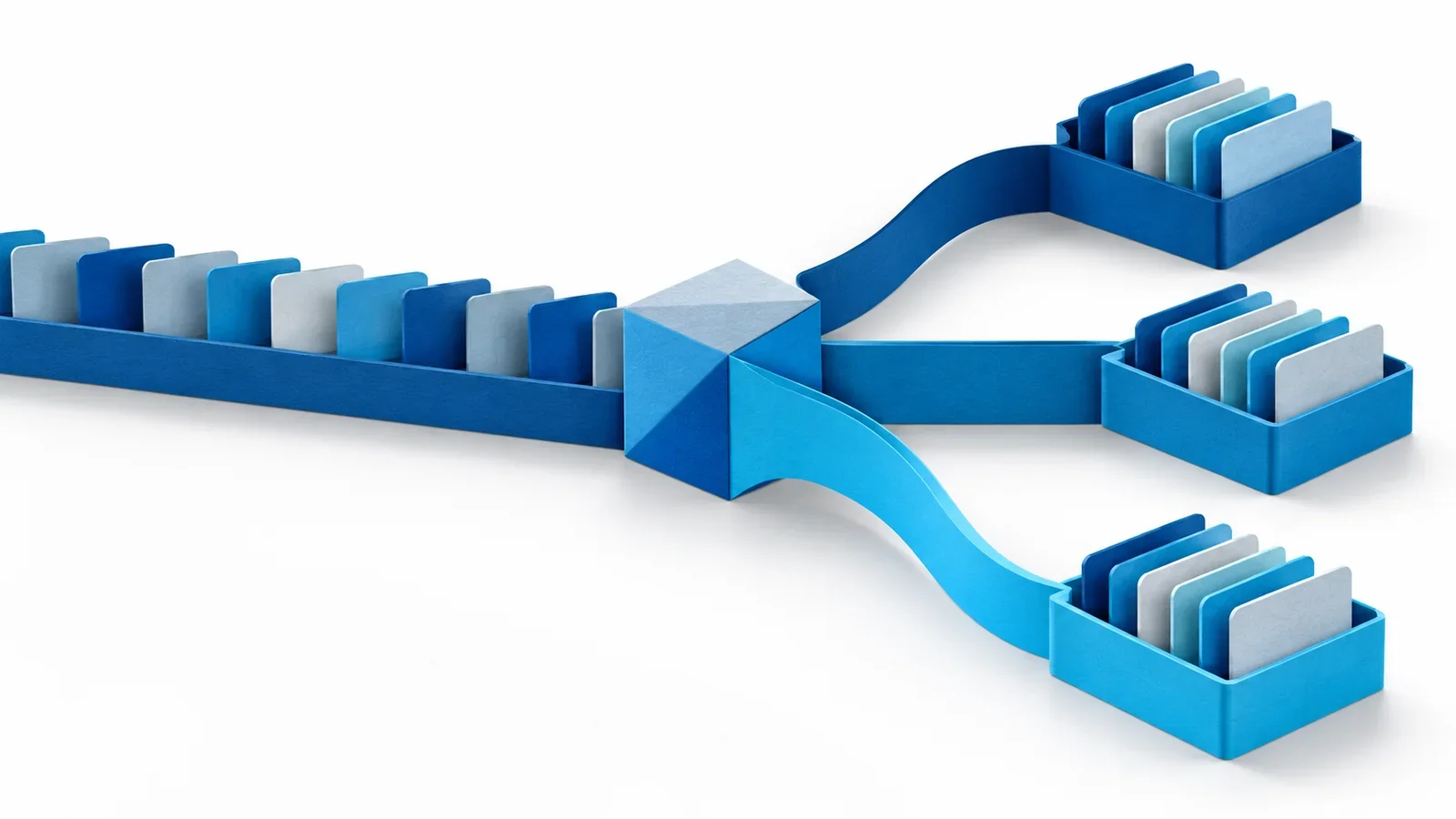
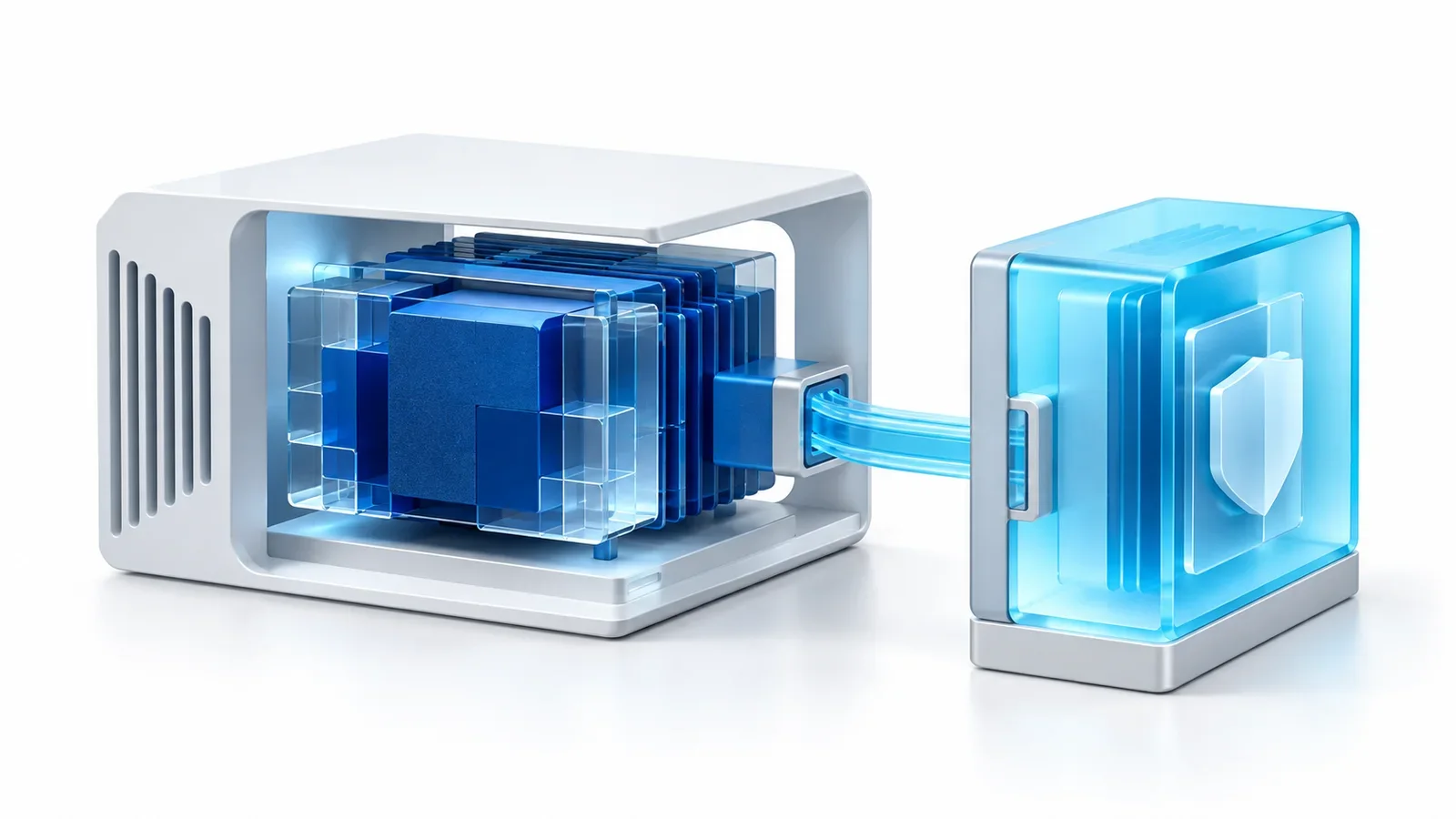
Editorial note: AI-assisted original BijliCoin research, drafting and source checks. Model specifications and demonstrations are attributed to Meta and have not been independently tested by BijliCoin. License discussion is informational, not legal advice. The cover is an AI-generated conceptual editorial illustration, not a product photograph.
Sources & context
- Meta AI Research: Introducing Muse Spark Open, The Most Capable US Open-Weight Model to Date ↗
- Meta's Muse-Spark-Open-816B-A42B repository and Muse Model License ↗
See our editorial policy or report a correction.