
What to know
- Binance's October 30 update describes its suspected incident path and estimates, while stating its investigation is ongoing.
- Binance reported roughly $3 billion frozen; Bitquery estimated about $2.7 billion frozen or rescued at a 03:54 UTC snapshot. The measures remain unreconciled.
- Binance said customer funds were safe, it would cover losses and deposits/withdrawals were temporarily paused; readers should verify service status and later account reconciliation.
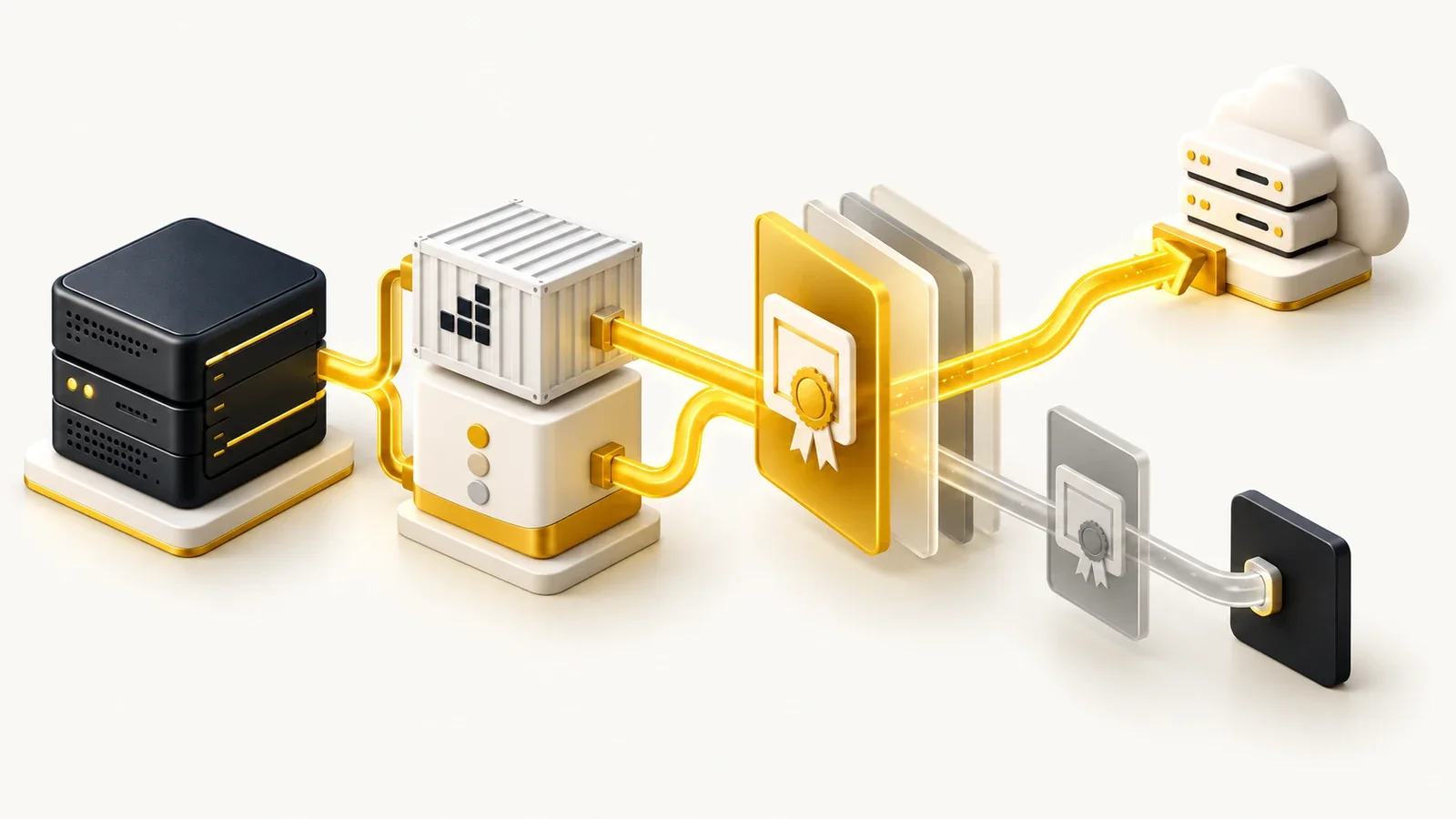
What changed: Binance posted an October 30 update about a security incident affecting its systems and said its investigation was continuing. The exchange described a suspected path involving a compromised DevOps laptop and service container, estimated the impact at about $6.3 billion, and said roughly $3 billion in assets had been frozen. It also said there was no evidence at that point that wallet private keys had been leaked, and said it would cover losses through its SAFU fund and company resources. Deposits and withdrawals were temporarily suspended in the update; Binance also said customer funds were safe. These are the exchange's preliminary statements, not a completed forensic report.
Why the numbers need a timestamp and definition
Security-incident totals can describe different things: assets that left an address, value attributed to an incident, funds frozen by issuers or venues, or an estimated amount still controlled by an attacker. Those figures can change as investigators identify addresses, tokens move, issuers intervene or prices shift. Binance's update gives its current estimates but does not provide a full public technical postmortem or a precise reconciliation of every category.
Independent blockchain analytics have reported different values for traced, frozen or remaining funds. Those estimates depend on the addresses included, the time of observation and the valuation method. A chain analysis is a useful evidence layer, but an attribution label is not equivalent to a court finding or proof of who controlled a wallet. Comparing a later trace with an earlier exchange estimate without preserving timestamps can create a false impression that one figure directly disproves the other.
What is established and what remains open
The primary source confirms Binance's account of its investigation and response; it does not independently establish the root cause. The exchange's statement that it has seen no evidence of a private-key leak is carefully limited to evidence known at the time. It should not be inflated into proof that keys could not have been involved. Likewise, the estimate of frozen assets is not the same as recovered customer funds or a final net loss.
For customers, Binance said deposits and withdrawals were temporarily paused and customer funds were safe, while the investigation continued. Those are statements in the exchange update, not an independent account-by-account verification; readers should check Binance's official status and incident notices for restoration and account-specific information. Avoid unsolicited recovery links and never share a seed phrase. This article does not recommend a financial action or confirm an individual account status.
What a useful follow-up should contain
A credible final accounting would include a dated technical timeline, affected systems, the basis for address attribution, the difference between attempted and completed movements, confirmed freezes and the process for determining customer impact. The exchange's own status notices and a later forensic report should be distinguished from third-party analytics snapshots. A final accounting should also reconcile the exchange's loss-coverage commitment and the exact scope of assets frozen or rescued. BijliCoin's account recovery and authentication guide explains basic account-protection steps, but it does not assess this incident.
Until Binance publishes a fuller account and the tracing methods converge, figures should be reported with source, date and definition attached. Readers should treat both the exchange's estimates and third-party traces as provisional evidence.
BijliCoin prepared this report with AI assistance and checked the linked exchange, analytics and reporting sources. Incident figures and attribution remain subject to confirmation; this is not security or investment advice.
Editorial note: This article was prepared with AI assistance for research organization and drafting. Incident claims are attributed to their sources and checked against the linked materials; attribution and loss estimates remain provisional pending further reporting.
Sources & context
- Binance security incident update ↗
- Bitquery incident tracing analysis ↗
- Associated Press report on the Binance incident ↗
See our editorial policy or report a correction.
Related guides and definitions
- Review unfamiliar repositories without giving them your credentials
Use a staged review process for hiring tasks, plugins and agent-generated projects before any unknown code receives execution or network authority.
- Protect the account behind the wallet: authentication and recovery basics
Build a practical account-protection map covering unique passwords, stronger sign-in methods, sessions and the recovery path that can bypass them.
- What is least-privilege access?
Least privilege gives a person or process only the access its current task needs, with scope and duration that can be reviewed and removed.
Join the conversation.
Loading reader discussion…
Sign in to like this article or add a comment. Comments are reviewed before appearing publicly.
Open the sign-in link in this same browser. Your display name is public; your email is private. Reader sign-in does not subscribe you to the newsletter. See our privacy notice.
Signed in as