What to know
- Belnet identified the incident onSeptember24 and published the notice onOctober1.
- The organization describes affected email and file-transfer links.
- The scope remained under investigation; readers should follow Belnet’s official instructions.
The organization’s account of the incident
Belnet’s official notice, published on 1 October 2026 and updated October 2, says it identified a security and privacy incident on September 24 involving a vulnerability in an external Fortinet technology. Belnet says the vulnerability was corrected on September 25 and describes exposure involving email and generated file-download links during a specified earlier period. It says investigation of the full extent continues. These are Belnet’s statements; BijliCoin has not examined affected systems, accessed exposed material or independently attributed the activity to an attacker.
An email may carry more than a message
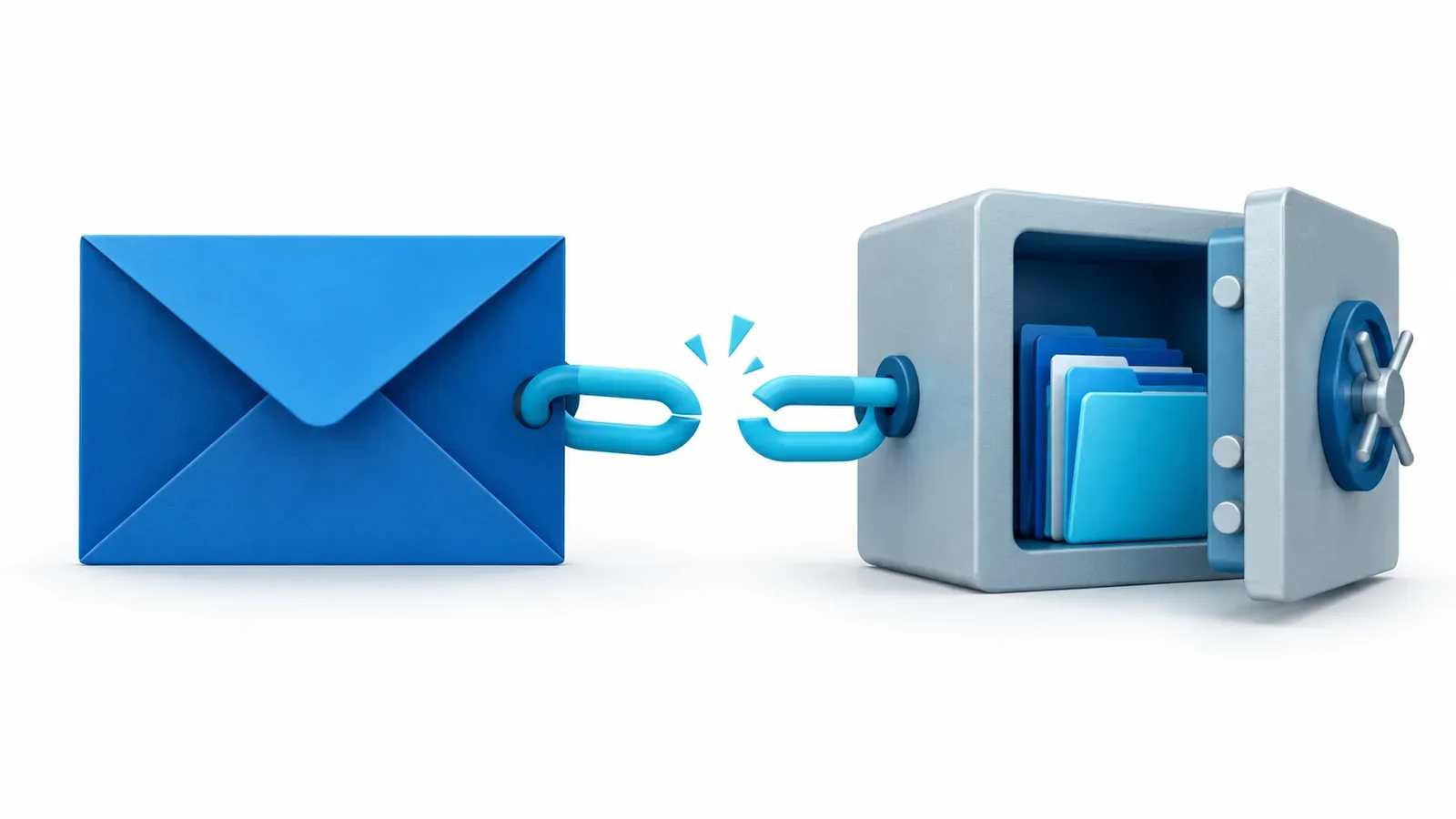
The incident illustrates a useful defensive question: what authority does an email contain? A message can include a reset link, an invitation or a download capability. Our interpretation is that protecting the text of an inbox is only part of protecting the workflow. If possession of a link grants access to a separate resource, exposure can cross the boundary between the mail service and that resource. The sensitivity of the email therefore depends partly on what its links can authorize.
Revocation should be designed before an incident
A file-sharing service should make it clear whether a sender can revoke a link, set expiry, require a separate password or require recipient authentication. These controls have different effects and usability costs. A password placed in the same exposed message may not provide the separation a sender expects. A practical design review should follow the complete recipient journey and identify which controls survive compromise of the delivery channel. This is an editorial design lesson, not a claim about an undisclosed flaw in every file-transfer service.
How an affected organization can reason about response
Use the provider’s actual affected period and instructions to identify relevant messages and transfers. Separate a potentially exposed link from proof that a file was downloaded. Review active links, access records and necessary replacement credentials through the normal incident process. Do not fetch suspicious data from an attacker’s infrastructure to satisfy curiosity. Where counterparties need information, use verified communication channels and follow applicable organizational obligations with qualified support. Those steps should be tailored to the facts rather than copied blindly from another organization’s event.
Keep the uncertainty visible
A notice can be authoritative about what the organization knows while still being incomplete about the final scope. Belnet’s ongoing-investigation language should remain attached to this story. Readers should consult later official updates rather than treating an early number or period as the final outcome. The broader practical value is a reminder to inventory the capabilities distributed through email. That inventory can make containment more precise when a trusted delivery channel becomes part of a security incident.
Sources and reading
- Belnet official security and privacy incident notice (2026-10-01)
Editorial note: AI-assisted original BijliCoin synthesis. Original BijliCoin synthesis of the linked public primary source. Defensive recommendations are editorial interpretation, not a claim of hands-on testing. No exploit procedure is provided. Illustration is conceptual.
Sources & context
See our editorial policy or report a correction.